

More than 12 million girls are married before the age of 18 each year. Child, early and forced marriage and unions (CEFMU) affect girls’ health, education, economic opportunities, safety, and ability to make decisions about their own futures. Yet evidence also shows that progress is possible: 68 million child marriages have been averted over the past 25 years.
Ending Child Marriage Together: Building Blocks for Change, a joint international advocacy resource led by Girls Not Brides and endorsed by AmplifyChange, brings together evidence on what is needed to accelerate that progress. Its central message is clear: no single intervention can end child marriage. Girls do not experience their lives and rights in silos, so responses must be holistic, transformative, and cross-sectoral.
The framework identifies five areas for change:
- keeping girls in school;
- addressing poverty and economically empowering girls and survivors;
- ensuring access to sexual and reproductive health services and comprehensive sexuality education (CSE);
- transforming harmful gender norms; and
- supporting empowering laws and policies.
These sit alongside five foundations for impact, including centring girls most at risk, investing in survivor-led and locally relevant solutions, using evidence and practice-based knowledge, integrating child marriage into humanitarian action, and strengthening collective action.
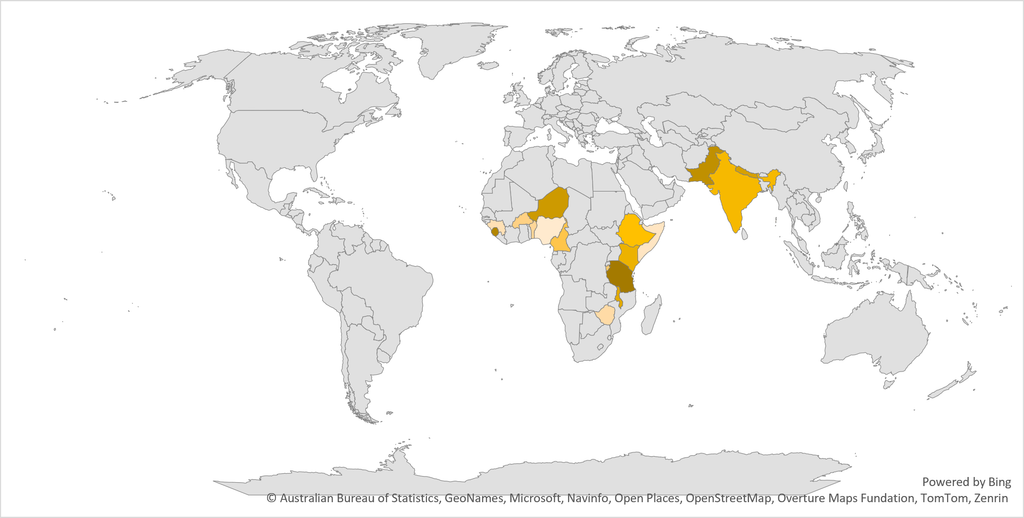
AmplifyChange currently supports 25 grantee partners across 17 countries working to end CEFMU, either directly or alongside interconnected issues affecting girls’ rights and choices. Their experiences show how several of these building blocks come together in practice.
Address poverty and empower girls and survivors economically
Poverty is a major driver of child marriage, and girls from the poorest households face the greatest risk. The Building Blocks framework emphasises that economic interventions work best when combined with health services, education, skills and other forms of support rather than treated as standalone solutions.
Economic pressures can take different forms. In some contexts, bridewealth – money, livestock or other assets transferred in connection with marriage – can increase pressure when the economic value attached to a marriage outweighs a girl’s wishes. Crises can intensify these pressures further by disrupting education, livelihoods and community support.
In Zimbabwe, Rozaria Memorial Trust combines work with local leaders and government institutions with Nhanga safe spaces and strengthened referral pathways. Girls and young women can access information, share experiences, and develop livelihood, entrepreneurship and advocacy skills. Government collaboration also links girls at risk of, or withdrawn from, marriage with economic empowerment opportunities through the Women Development Fund and Small and Medium Enterprises Development Corporation.
In Pakistan, Sujag Sansar Organization combines awareness-raising and work on child marriage laws with links to social protection, including the Benazir Income Support Programme. Its experience also demonstrates how climate shocks can deepen existing vulnerability: following the 2022 floods, SSO-supported media work identified 45 marriages in one village in Dadu district, as severe economic pressures contributed to what became described as “monsoon brides”.
Ensure access to health, including sexual and reproductive health services and comprehensive sexuality education (CSE)
Equipping girls with knowledge on their rights, gender and power dynamics, and their bodies through a holistic approach to education and ensuring access to sexual and reproductive health services that reduce unintended pregnancy are both key tools to addressing CEFMU.
In rural Uttar Pradesh, India, Jan Vikas Sansthan (JVS)’s She Leads Change initiative reaches more than 2,000 adolescent girls across 30 villages. It combines girl-led safe spaces, culturally relevant CSE and peer networks, with girl champions engaging their communities to challenge silence around sexual and reproductive health, promote menstrual health, and encourage alternatives to early marriage.
JVS also works with parents, teachers, Accredited Social Health Activists, local village councils and other stakeholders. The approach reflects a key principle of the Building Blocks framework: providing information is important, but girls also need accessible services and supportive families and communities that enable them to exercise their rights.
Transform harmful gender norms
Gender norms can influence whose decisions are valued, what is expected of girls and when they are expected to marry. Changing them requires engaging not only girls and young people, but also the people who shape attitudes and decisions within families and communities.
In Zimbabwe, Shamwari Yemwanasikana’s Hurukuro dialogues in Chiredzi District bring traditional leaders, young people, women, families, and elders together to examine harmful practices. This includes elements of the Khomba initiation tradition that can expose girls to early marriage. Rather than treating culture and girls’ protection as competing priorities, the dialogues distinguish cultural identity from practices that can put girls at risk.
Other grantee partners are adapting this principle to their own contexts. In Guinea, Développement Humain Durable works with girls, boys and families alongside community, religious and traditional leaders. Engaging boys is part of encouraging reflection on patriarchal norms and gender expectations, while working with those who influence family and community decisions helps create wider support for protecting girls.
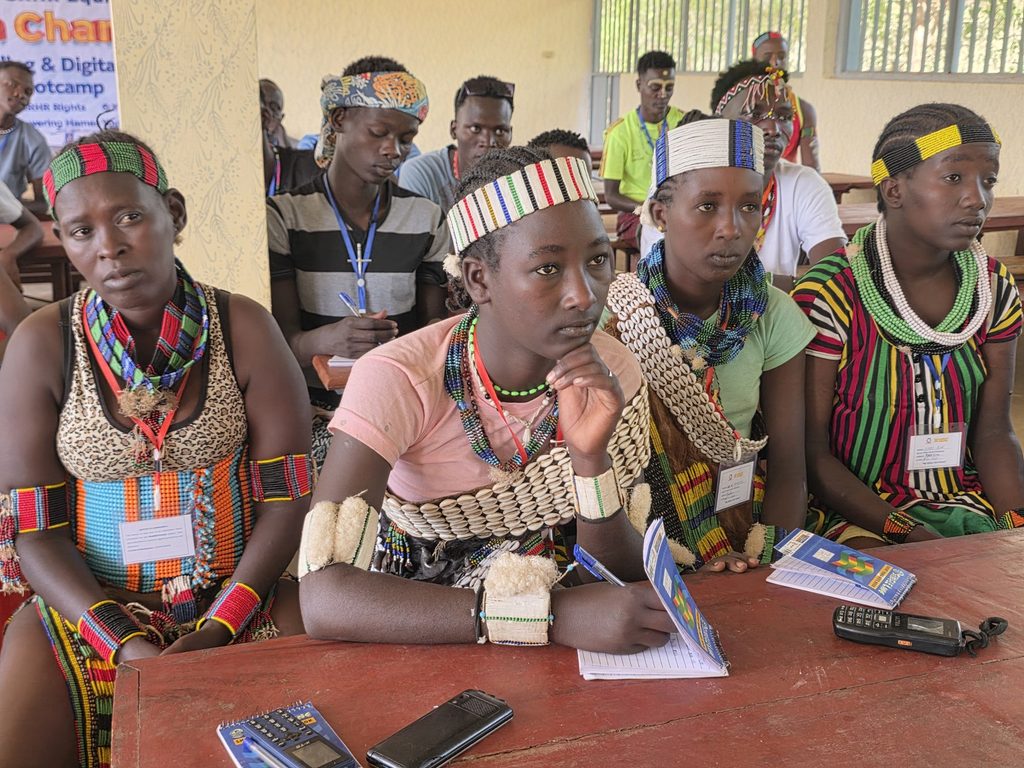
In Ethiopia, Alliance Frugal Innovation Centre uses Youth Champions and digital storytelling to open conversations in Hamer communities about early marriage, including marriage by abduction. Its approach starts from an understanding of culture as a wider system of values and relationships, while distinguishing cultural identity from practices that undermine girls’ consent and safety.

Other approaches extend these conversations further. In Nigeria, Girl Child Values Support Initiative uses youth fellows, participatory theatre and storytelling to challenge harmful norms, while community radio in countries including Zimbabwe, Nigeria, Ghana and Pakistan brings discussions about girls’ rights and child marriage to wider audiences. In Pakistan, a religious leader engaged by Sujag Sansar Organization went from performing marriages without understanding their harmful impacts to refusing underage marriages and using Friday sermons and community gatherings to speak with parents about child marriage.
Support empowering laws and comprehensive policies
Laws are an important part of protecting girls’ rights, but the Building Blocks framework stresses that legal reform must expand girls’ choices in practice rather than exist only on paper. Effective approaches need implementation, coordination and links with the services and systems surrounding girls.
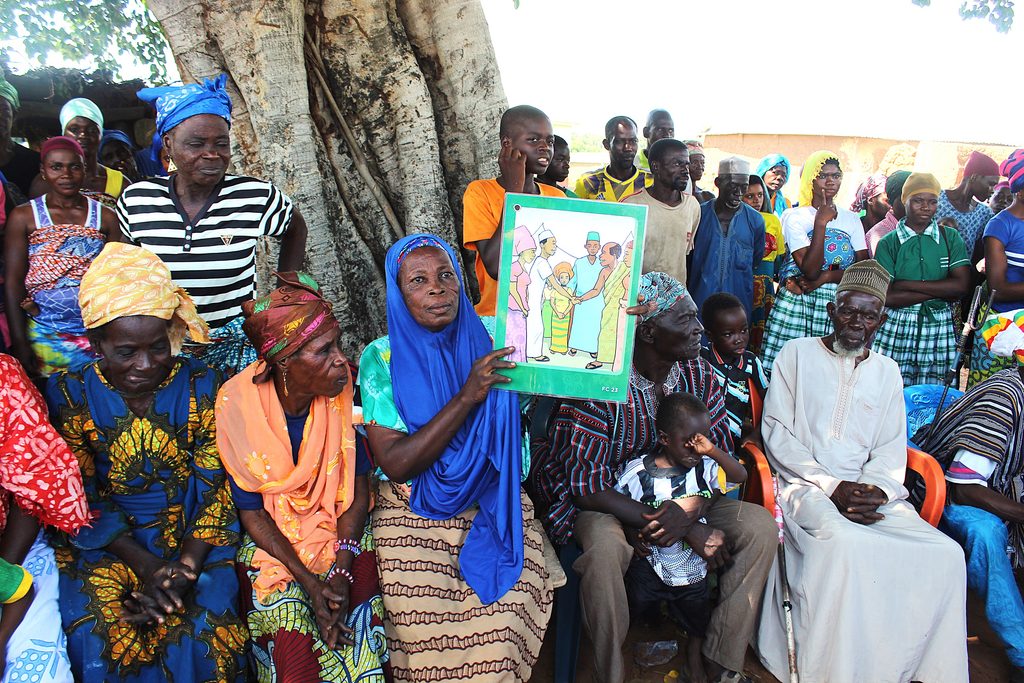
In Ghana, Mabia-Ghana supported the development and passage of by-laws on child marriage and pregnancy in Bunkpurugu, Yunyoo and East Mamprusi District Assemblies. These have since been gazetted, giving local action a stronger legal foundation. A regional steering committee brings together authorities, health and education services, human rights bodies, religious institutions and traditional leaders to strengthen implementation and accountability.
In Tanzania, Media for Development and Advocacy (MEDEA) combines advocacy for legal reform with social norms change and evidence generation. Reflective meetings with local leaders found that some communities already had customary regulations and by-laws prohibiting child marriage. Rather than replacing these structures, MEDEA identified an opportunity to connect traditional governance mechanisms with formal legal frameworks, strengthening locally led prevention alongside advocacy to reform national laws that allow girls as young as 15 to marry.
This illustrates why legal change is strongest when communities understand, support and have mechanisms to implement it.
What this means for funders
Across these examples, the same lesson emerges: the building blocks reinforce one another. Legal reform needs implementation and social norms change. SRHR information needs accessible services and supportive environments. Economic empowerment needs to sit alongside protection, rights, and opportunities. Climate and humanitarian crises can magnify all these risks.
For funders, this means resourcing local organisations and movements to lead, with flexible, multi-year funding that allows them to respond as their contexts change. It also means investing in organisational strengthening alongside project activities, enabling grantee partners to sustain advocacy, build evidence, and adapt their approaches over time.
Ending child marriage requires action across the systems and pressures that shape girls’ lives. Lasting progress depends on listening to girls and survivors, investing in those closest to the realities of child marriage, and connecting action across sectors so girls can exercise their rights and shape their own futures.


